
Lift Modernisation: When and How to Upgrade an Old Lift
Lift modernisation replaces selected components after a condition survey. Compare an upgrade with full replacement using safety, compatibility, parts availability, downtime and lifecycle cost. Reusing a shaft or component is appropriate only after its condition and suitability have been assessed.
Your lift still runs, so why think about changing it? Because an ageing lift rarely fails all at once. It slows down, starts to jerk, stops a few centimetres off the floor, and breaks down more often, until a small problem becomes a safety risk or a long shutdown. Lift modernisation lets you upgrade the parts that matter most without tearing the whole lift out. This guide explains what lift modernisation is, the warning signs that it is time, what can be upgraded, and how to decide between modernising and replacing your lift.
What Is Lift Modernisation?
Lift modernisation means replacing or upgrading major components of an existing lift, such as the controller, drive, motor, doors, safety devices and cabin interior, while keeping the basic structure, such as the shaft and guide rails. The aim is to improve safety, ride quality, reliability and energy use at a lower cost and with less disruption than a complete replacement.
Seven Signs Your Lift Needs Attention
- Frequent breakdowns: Repeated faults, nuisance trips and long repair waits.
- A rough ride: Jerky starts and stops, vibration or unusual noise.
- Poor levelling: The cabin stops above or below the floor, which is a tripping hazard.
- Slow doors: Doors that hesitate, bang or close on passengers.
- Missing safety features: No door sensors, no cabin phone or intercom, or an alarm that does not work.
- Spare parts are hard to find: Older controllers and components may no longer be made.
- High running cost: Rising repair bills and higher electricity use than a modern lift.
Age matters too. Many lifts begin to show their age after 15 to 25 years, depending on usage and how well they have been maintained. A well-maintained lift can last longer, and a neglected one can need attention much sooner.
What Can Be Upgraded?
- Controller and drive: A modern controller with a variable voltage, variable frequency (V3F) drive gives a smoother, more precise ride and better energy use.
- Machine and motor: Replacing an old geared machine with a gearless machine can reduce noise, remove gear oil and improve efficiency.
- Doors and door operators: Faster, quieter, more reliable doors with door-protection devices that detect obstructions and reopen as specified.
- Safety devices: Door sensors, cabin phone or intercom, emergency alarm and emergency lighting.
- Ropes, guide shoes and buffers: Wear items that affect ride quality and safety.
- Fixtures: Push buttons, indicators and displays that are clear and easy to use, including for people with visual or mobility needs.
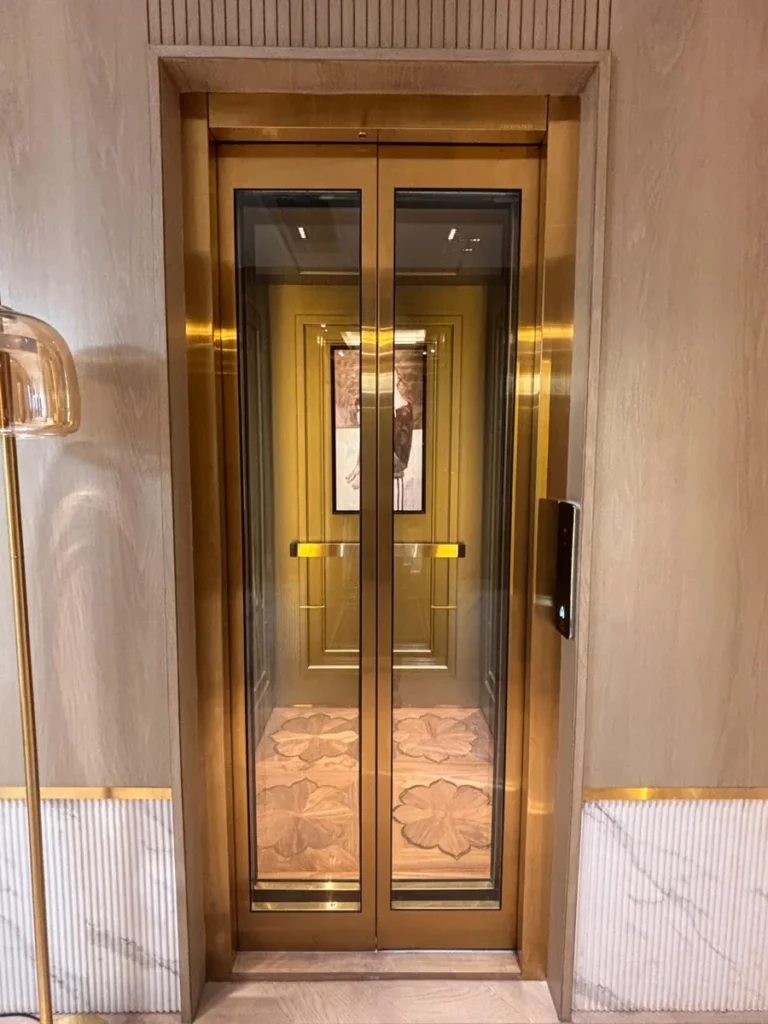
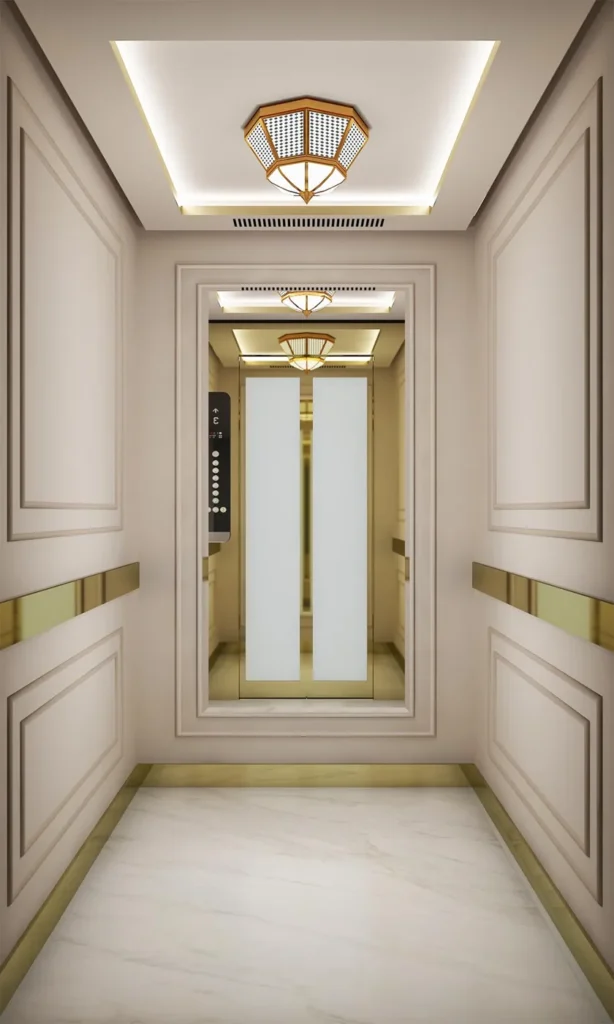
- Cabin interior: New wall panels, flooring, lighting and ceiling for a fresh look.
- Remote monitoring: A connected system that flags faults early, so problems are fixed before they stop the lift.
Modern gearless machines are covered in detail in our guide to gearless elevators.
Modernise or Replace? How to Decide
Modernisation suits you when the shaft, guide rails and car frame are in good condition, and the problems lie in the controller, drive, doors or finishes. Replacement is often the better
choice when:
- The shaft, pit or machine room is too small for current requirements.
- Structural parts, such as guide rails or the car frame, are badly worn.
- You need a different capacity, speed or number of stops.
- The cost of modernising approaches the cost of a new lift.
- The building is being redeveloped and the lift must meet current design standards.
An independent condition survey by a qualified lift engineer is the best way to decide. Ask for a written report that lists what needs replacing now, what can wait, and what it will cost.
What Affects the Cost?
- How many components are being replaced, and whether it is a partial or a full upgrade
- The number of floors and the lift’s capacity and speed
- The condition of the shaft, guide rails and machine room
- The level of cabin finish and fixtures you choose
- How long the lift will be out of service, and whether the work can be phased
- The maintenance plan you choose afterwards
Always get a written, itemised quotation so that you can compare offers like for like.
How a Typical Modernisation Project Runs
- Survey and audit: A lift engineer inspects the lift, records its condition and lists the faults.
- Scope and quote: You agree what will be replaced, with a clear price and timeline.
- Planning: Work is scheduled to cause the least disruption, especially in occupied buildings, hospitals and hotels.
- Installation: Qualified lift technicians replace the agreed components.
- Testing and handover: The lift is tested for safety, levelling and ride quality before it returns to service.
- Maintenance: An Annual Maintenance Contract (AMC) keeps the upgraded lift reliable.
Safety and Compliance
Whatever work you plan, the lift should meet applicable standards and local regulations. In India, lift standards are developed by the Bureau of Indian Standards, and states have their own rules for registration and inspection, so check what applies to your building. Ask your lift provider which standards the upgraded components meet, and keep the test and inspection records.
Questions to Ask Before You Upgrade
- Can you survey my lift and give me a written condition report?
- Which parts need replacing now, and which can wait?
- Which standards will the new components meet?
- How long will the lift be out of service, and can the work be phased?
- What warranty applies to the new parts?
- What does the AMC cover afterwards, and what is the breakdown response time?
Frequently Asked Questions
What is lift modernisation?
It is the replacement or upgrade of major parts of an existing lift, such as the controller, drive, doors, safety devices and cabin, while keeping the shaft and basic structure.
How do I know if my lift needs modernising?
Warning signs include frequent breakdowns, a rough ride, poor levelling, slow or noisy doors, missing safety features, hard-to-find spare parts and rising running costs.
Is modernisation cheaper than replacing a lift?
Often, yes, because the shaft and structure stay in place. If the structure is worn or your needs have changed, replacement may be the better value.
How long does lift modernisation take?
It depends on how much is being replaced and the size of the lift. A survey will give a realistic timeline, and work can sometimes be phased.
Can an old lift be made safer without replacing it?
Often, yes. Door sensors, a cabin phone, an emergency alarm, emergency lighting and better fixtures can be added or upgraded.
Does an upgraded lift still need maintenance?
Yes. Regular servicing under an AMC keeps any lift safe and reliable, old or new.
Continue planning your project
Standards and project checks
Confirm the current standard edition and local approval requirements for the proposed equipment with your designer and lift provider. Request model-specific certificates, test records and handover documents.
Reference: BIS — find the applicable Indian Standard.
